


The term horse apple is an old expression that often confuses new horse owners. At first, it may sound like the name of a fruit or a type of feed. However, the real meaning is tied to everyday horse care.
Horse apples can also offer useful clues about a horse’s diet, digestion, and health. They may even have value outside the stable.
Read the full blog to learn what horse apples are, why they matter, and what they can reveal about your horse.
Horse Apple: Key Takeaway
A horse apple is another name for horse manure, but it can tell you far more than you may expect. Its size, shape, color, moisture, and smell can offer clues about a horse’s diet, hydration, digestion, and health. Knowing what is normal makes it easier to spot changes early and respond before a small issue becomes serious.
What is a Horse Apple?
A horse apple is another name for horse manure or horse poop. The name comes from the round, apple-like shape of the manure balls that horses produce.
It has been used for many years by horse owners, farmers, and ranchers, especially in North America. While the name may sound funny, it is a common term in the horse world.
You may also hear the term road apples. It means the same thing as horse apples, but it usually refers to horse manure left on roads, streets, or trails after a horse has passed.
The term became popular when horses were the main form of transport and often left droppings along busy roads. Today, both names are still used, but “road apples” is more common when referring to manure found in public places.
The name can also change depending on where you live.
In the United States and Canada, people often say horse apples or road apples. In the United Kingdom, Australia, and many other English-speaking countries, people are more likely to say horse manure, horse droppings, or simply horse poo.
Although the names differ, they all refer to the same thing.
No matter what you call it, horse manure is more than just waste. It can tell you a lot about a horse’s health and, when composted, becomes a valuable fertilizer for gardens and farms.
Why Do People Call Horse Manure “Horse Apples”?
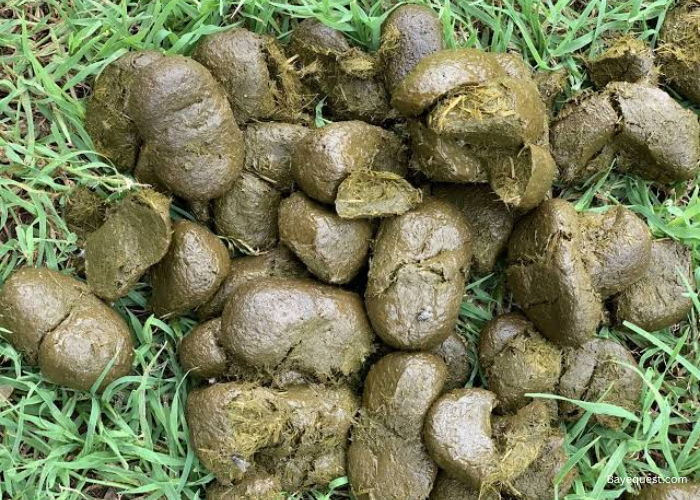
People call horse manure horse apples because of its shape. Healthy horse poop often comes out in round, firm balls. These balls can look like small apples.
The name likely became common when horses were used for farm work and travel. Horse manure was easy to find near barns, fields, roads, and town streets. Farmers and stable workers often gave simple names to things they saw each day.
The term horse apple was an easy and funny way to describe the round droppings. People also used the term “road apples” to refer to manure left on roads or trails.
The nickname stayed popular because it was short and easy to remember. Parents passed it down to their children. Farmers, riders, and ranchers also continued to use it.
Today, most people say horse manure, horse droppings, or horse poop. Still, the term horse apples remains common in some parts of the United States and Canada. It is often used in a light or playful way.
What Does a Healthy Horse Apple Look Like?
A healthy horse’s manure can tell you a lot about a horse’s health. Looking at your horse’s manure each day is a simple way to spot problems early.
Healthy horse manure is made up of several round or slightly oval balls. These balls should hold their shape but still break apart with light pressure.
If the manure is too hard, the horse may not be drinking enough water. If it is too loose or watery, it may indicate stress, a sudden change in diet, or a health problem.
The manure should feel moist but not soggy. It should have a soft, fibrous texture because horses eat large amounts of grass and hay.
You should be able to see small pieces of digested plant material, but there should not be large amounts of whole grain or long strands of undigested hay.
Healthy horse apples are usually greenish-brown to dark brown. The exact color depends on what the horse has been eating. Fresh grass often makes manure greener, while dry hay can make it darker.
Horse manure has a natural earthy smell. It should not have a strong, foul, or sour odor. A bad smell may be a sign of poor digestion or illness.
Checking your horse’s manure every day can help you notice changes before they become serious.
What Horse Apples Can Tell You About a Horse’s Health
A horse’s manure can reveal a lot about its health. Changes in size, shape, or moisture are often early signs that something is wrong.
Checking horse apples each day can help you spot problems before they become serious.
Too dry
Dry, hard horse apples are often a sign of dehydration. A horse may not be drinking enough water, especially during hot weather or after hard work.
Low water intake can also slow digestion and increase the risk of impaction colic. Make sure your horse always has access to clean, fresh water.
Too wet
Horse manure that is soft or watery may happen after a sudden change in diet. It can also be caused by mild digestive upset, stress, or rich pasture grass.
If the manure stays loose for more than a day or your horse seems unwell, contact your veterinarian.
Very small droppings
Very small horse apples may mean food is moving too slowly through the gut. Reduced gut movement can be an early warning sign of impaction or other digestive problems.
Watch your horse closely and seek veterinary advice if the problem continues.
Presence of parasites
Healthy horse manure should not contain visible worms. If you notice parasites, or if your horse loses weight, has diarrhea, or shows signs of colic, contact your veterinarian.
A fecal test can confirm whether your horse needs deworming or further treatment.
How Many Horse Apples Should a Horse Produce Each Day?
A healthy horse produces manure many times each day. On average, an adult horse passes manure 8 to 12 times every 24 hours.
This adds up to about 35 to 50 pounds (16 to 23 kilograms) of manure each day. The exact amount can vary from one horse to another.
Several factors affect how many horse apples a horse produces. One of the most important is water intake.
Horses that drink enough water usually produce manure that is soft and well formed. If a horse drinks too little, the manure may become dry and hard, and the horse may produce less of it.
Diet also plays a big role. Horses that eat plenty of hay and fresh grass often produce more manure because these feeds are high in fiber. Changes in diet can also affect the amount and appearance of horse apples.
Exercise helps keep the digestive system moving. Horses that stay active often have regular bowel movements, while horses with little exercise may pass manure less often.
Age can also make a difference. Young foals and older horses may have different manure patterns than healthy adult horses.
If your horse suddenly produces much less manure or stops passing manure altogether, contact a veterinarian right away. This could be a sign of colic or another serious digestive problem.
Why is Cleaning Horse Apples Important?
Cleaning horse apples every day is an important part of horse care. It keeps the stable and pasture clean and helps protect your horse’s health.
One of the biggest benefits is better stable hygiene. Removing manure keeps stalls, paddocks, and walkways cleaner. It also gives horses a more comfortable place to live and rest.
Cleaning manure also helps with fly control. Flies lay their eggs in fresh manure. When horse apples are removed often, there are fewer places for flies to breed. This makes the stable more pleasant for both horses and people.
Regular manure removal also helps reduce parasites. Many internal parasites lay eggs that are excreted in the horse’s manure. If manure remains in the pasture, horses may ingest eggs while grazing and become reinfected.
Clean surroundings also support better hoof health. Standing in manure for long periods keeps hooves damp and dirty. This can increase the risk of problems such as thrush and other hoof infections.
Another benefit is odor reduction. Fresh manure has a mild smell, but large piles left for days can create strong odors. Daily cleaning helps keep the stable smelling fresher.
Finally, removing horse apples helps prevent disease. It lowers the spread of harmful bacteria and parasites that can affect horses and, in some cases, people. A clean stable is a healthier stable.
Can Horse Apples Be Used as Fertilizer?
Yes, horse apples make an excellent fertiliser, but they should be composted before use.
Fresh horse manure contains valuable nutrients, but it can also carry harmful bacteria, parasite eggs, and weed seeds. Composting makes it much safer and more useful for gardens.
Horse manure is rich in nutrients such as nitrogen, phosphorus, and potassium. These nutrients help plants grow strong roots, healthy leaves, and better flowers or crops.
Composted horse manure also adds organic matter to the soil. This improves soil structure, helps the soil hold water, and supports healthy microorganisms.
Fresh horse manure should not be spread directly around most plants. It can burn roots because it contains high levels of nitrogen.
Fresh manure may also spread weed seeds and harmful germs that survive the horse’s digestive system.
Safe composting is the best way to prepare horse apples for the garden. Build the compost pile with manure and bedding materials such as straw or wood shavings.
Turn the pile often to add air and help it heat evenly. The compost should reach high temperatures to kill most weed seeds and harmful organisms.
Let it break down until it becomes dark, crumbly, and earthy-smelling. At that point, it is ready to use as a natural fertilizer.
Are Horse Apples Dangerous?
Horse apples are not usually dangerous, but they can carry bacteria, parasites, and other germs. Good hygiene and proper manure management help reduce the risk to both people and horses.
To humans
Horse manure can contain bacteria such as Salmonella and E. coli, although these are less common than in some other types of animal manure.
People who handle horse manure should wear gloves when possible and wash their hands well with soap and water afterwards.
Avoid touching your face while cleaning stalls or handling manure. Good hygiene greatly lowers the risk of infection.
To other horses
Horse apples can spread parasites and some diseases between horses. Many internal parasites lay eggs that pass out in the manure.
If the manure is left in the pasture, other horses may eat the eggs while grazing and become infected. This is why regular manure removal is an important part of parasite control.
Disease-causing bacteria and viruses can also spread through contaminated manure, especially in shared paddocks and stables.
Cleaning stalls often, removing manure from grazing areas, and following a proper deworming program all help keep horses healthy. If you notice worms in your horse’s manure or signs of illness, contact your veterinarian for advice.
Do Horses Ever Eat Horse Apples?
Yes, horses sometimes eat horse apples. This behavior is called coprophagia. It is common in young foals and is usually a normal part of their development.
Foals often eat small amounts of their mother’s manure during the first few weeks of life. They do this because the manure contains beneficial bacteria that help build a healthy digestive system. These bacteria allow the foal to digest grass and hay more efficiently as it grows.
Adult horses may also eat horse apples from time to time. This can happen due to boredom, hunger, or a low-fibre diet.
Some horses may also eat manure in an attempt to restore healthy gut bacteria after illness or treatment with certain medications.
An occasional bite is not always a reason to worry. However, frequent manure eating in adult horses should not be ignored.
It may point to poor nutrition, limited forage, stress, or another health problem. Eating manure can also increase the risk of picking up internal parasites.
If your adult horse regularly eats horse apples, review its diet and feeding routine. Make sure it has enough hay, fresh water, and turnout time.
If the behavior continues, ask your veterinarian to check for nutritional deficiencies or underlying health issues.
How to Dispose of Horse Apples Properly
Proper manure disposal keeps your property clean and helps protect the environment. It also reduces flies, odors, and the spread of parasites.
One of the best options is to create a compost pile. Composting breaks down horse manure into a safe, nutrient-rich material that can be used in gardens and on fields. Turn the pile often and keep it moist so it decomposes properly.
If you have a large property, a manure spreader can be useful. It spreads composted manure evenly across pastures or farmland. Avoid spreading fresh manure where horses are grazing, as it can increase the risk of parasite infection.
Many areas also offer manure collection services. These companies collect horse manure and take it to composting or waste treatment sites. This is a good option if you do not have enough space to compost at home.
Once fully composted, horse apples can be used in the garden. Composted manure improves soil quality and provides nutrients for flowers, trees, and many vegetables.
Before disposing of horse manure, check your local waste management regulations. Some areas have rules about storing, composting, or disposing of manure to protect waterways and reduce pollution.
Common Myths About Horse Apples
Here are a few of the most common myths about horse apples.
- Myth: Horse manure is odorless.
Horse manure has a milder smell than many other types of manure, but it is not odorless.
- Myth: Fresh manure is the best fertilizer.
Fresh horse manure should not be used right away. It can burn plant roots and may contain weed seeds, bacteria, and parasite eggs. Composting makesgardeningt much safer and more effectivs.
- Myth: All horse manure looks the same.
Horse apples can vary in size, color, and moisture. Diet, water intake, age, and overall health all affect how manure looks. Healthy manure is not the same for every horse.
- Myth: Healthy horses always produce identical droppings.
A healthy horse’s manure can change from day to day. Weather, exercise, stress, and changes in feed can all affect its appearance. Small changes are often normal.
- Myth: Horse apples are always harmless.
Horse manure can carry bacteria, parasite eggs, and other harmful organisms. Good hygiene, regular manure removal, and proper composting help reduce these risks for both people and horses.
Fun Facts About Horse Apples
- A horse can produce 35–50 pounds of manure each day.
- One horse may produce 6–9 tons of manure per year.
- Most horses pass manure 8–12 times a day.
- Horse manure has been used as fertilizer for centuries.
- Composted manure can improve soil structure.
- Horse manure contains nitrogen, phosphorus, and potassium.
- Some farms turn horse manure into renewable energy.
- Manure samples can help vets check for parasites.
- Diet can change the color and texture of horse apples.
- Healthy horse apples are usually moist, firm, and easy to break apart.
FAQs
Is a horse apple the same as horse poop?
Yes. A horse apple is simply another name for horse poop or horse manure. The term comes from the round, apple-like shape of individual manure balls. While it sounds unusual, horse owners and farmers have used the nickname for generations, especially in North America.
Can horse manure be used in gardens?
Yes, horse manure can be used in gardens, but it should be composted first. Composting reduces harmful bacteria, kills many weed seeds, and makes nutrients easier for plants to absorb. Well-composted horse manure is a popular natural fertilizer for flowers, vegetables, and ornamental plants.
Is horse manure safe to touch?
Horse manure is generally safe to handle, but it can contain bacteria, parasites, and other microorganisms. To reduce the risk of illness, always wear gloves and wash your hands after handling it. Extra care is especially important if you have cuts or a weakened immune system.
Conclusion
Horse apples are more than just waste. They can reveal important clues about a horse’s health, digestion, and diet. They also have practical uses when composted and handled correctly.
By understanding what healthy horse manure looks like and how to manage it, you can help keep both your horse and its environment healthy.