


Breeding an older mare can work… but it’s one of the easiest ways to burn money and break hearts if you skip the basics.
Because “too old” isn’t a single number. It’s a mix of uterine health, cycling regularity, breeding history, and how well the mare can carry and recover. Some mares foal in their early twenties. Others struggle long before that.
In this guide, you’ll learn the realistic age ranges, the warning signs vets look for, and the exact checks that tell you whether breeding is smart—or whether it’s time to protect the mare and retire her from the program.
How Old Is Too Old to Breed a Mare? Key Takeaway
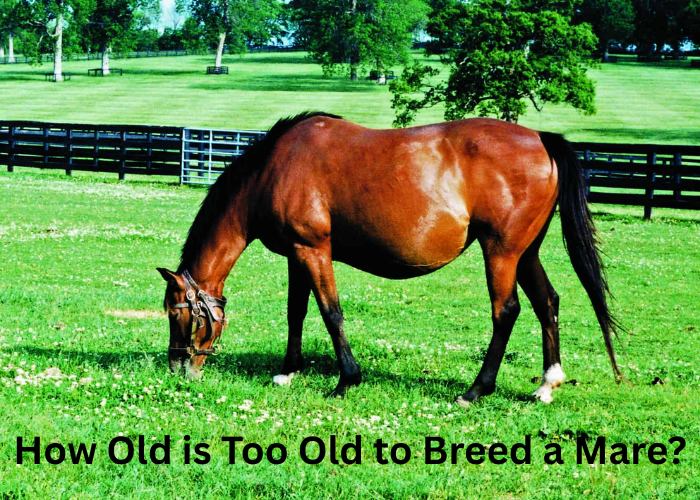
A mare may get pregnant into her twenties. The best breeding age is usually between 4 and 12 years. After 15, fertility drops and pregnancy risks rise, so veterinary care is important. Still, age is only one factor. A mare’s health, uterine condition, and breeding history matter just as much.
Understanding a Mare’s Reproductive Cycle and Fertility
A mare’s ability to conceive and carry a healthy foal depends on her reproductive health at each life stage.
Young mares cycle regularly and conceive easily, often carrying foals to term. Older mares require more management and veterinary support to achieve and maintain pregnancy.
How the Mare Reproductive Cycle Works
Mares come into heat several times during the spring and summer when the days are longer. Each reproductive cycle lasts about 21 days and has two main phases: estrus and diestrus.
Estrus, also called heat, is the phase when the mare indicates readiness to mate. It lasts approximately 5 to 7 days, during which ovulation can occur.
Diestrus is the phase after estrus, during which the hormone progesterone is dominant. Progesterone stops ovulation and helps maintain a possible early pregnancy.
Transitioning from winter to spring can cause irregular cycles. This causes mares to exhibit inconsistent heat cycles.
Breeders often adjust lighting or use hormonal treatments to regulate these fluctuations. In turn, this improves breeding success.
How Age Affects a Mare’s Fertility
A mare’s fertility declines with age. Most mares breed optimally between the ages of 5 and 10, when ovulation is regular and the uterus is healthy.
After 12, the uterine lining thickens or develops scar tissue. This makes embryo implantation difficult. Egg quality also declines, increasing the risk of early pregnancy loss.
Hormonal imbalances or uterine scarring from previous foalings can further reduce fertility. Routine veterinary exams and hormonal evaluations can detect these issues before breeding attempts.

What Is the Best Age to Breed a Mare?
Choosing when to breed a mare is one of the most important decisions a breeder makes.
Breeding Young Mares: How Early Is Too Early?
A mare reaches sexual maturity by 18 months, but this is too soon for breeding. Wait until she is three or four years old, when her skeletal system and organs have fully developed. Waiting for the mare to hit her prime reduces pregnancy and foaling complications.
Breeding a two-year-old filly can cause serious issues. Her pelvis may still be narrow, and she may lack the strength to carry a foal to term without strain.
Early pregnancy diverts energy from bone and muscle growth, stunting development. Foals may be born smaller or weaker because the mare’s body prioritizes its own needs.
Breeding Mature Mares: The Prime Age for Fertility
Between the ages of 4 and 12, mares are in their reproductive prime. During this period, fertility is high, and conception often occurs within 1 or 2 cycles.
Mature mares have regular estrous cycles and healthy uteruses, allowing successful embryo implantation.
Foaling complications are minimal. Well-managed mature mares often produce strong, active foals that thrive from birth.
Proper nutrition is crucial for the mare to carry a pregnancy to term. Adequate protein, vitamins, and trace minerals support the development of foals.
Routine veterinary checks, dental care, and parasite control also help sustain reproductive health.
Breeding Older Mares: Is It Still Safe?
From around age 15 onward, fertility gradually declines. Ovulation becomes less predictable, and conception may require more than one cycle.
The risk of miscarriage and post-foaling complications also increases as reproductive tissues age. However, breeding an older mare is not unsafe; it depends on her health and history.
Some older mares produce healthy foals into their late teens or early twenties. Still, a full reproductive exam, including ultrasound and uterine biopsy, is necessary before breeding.
Maintaining optimal weight, fitness, and nutrition throughout helps reduce risks.
Every mare ages differently. Proper management and veterinary care make breeding safe at any age. The mare’s health and comfort must always come first.
Health and Breeding Management for Older Mares
Breeding an older mare requires a well-managed approach, often involving;
Pre-Breeding Veterinary Checks and Tests
Before breeding, a thorough reproductive assessment is vital. This evaluates if her uterus, cervix, and ovaries can support pregnancy.
Veterinarians use ultrasound to check follicle development, cysts, fluid, or scarring.
A uterine culture detects bacterial infections that could prevent embryo implantation. A biopsy assesses the health and elasticity of the uterine lining.
These findings are often graded to estimate fertility potential. In mares that have foaled multiple times, fibrosis can prevent the embryo from attaching.
Senior mares often have hormonal imbalances that disrupt ovulation. Correcting these issues before breeding can improve conception rates. A clean reproductive report is key to a successful attempt.
Feeding and Nutrition for Breeding Mares
Older mares require a balanced diet to maintain reproductive performance and overall health. High-quality forage forms their nutritional base. Additional concentrates and supplements may be necessary.
Protein supports tissue repair and milk production in breeding mares. Trace minerals, such as zinc and selenium, play a crucial role in supporting hormone balance and fetal growth.
Omega-3 fatty acids may enhance uterine blood flow and reduce inflammation.
Breeding Management Techniques for Older Mares
Timing and accuracy are vital when breeding older mares. Monitor ovulation with ultrasound and hormone tests before insemination.
Use hormone treatments like prostaglandins to trigger ovulation, align cycles, and boost conception. Plan each breeding with the mare’s comfort and well-being in mind.
Artificial insemination offers control and reduces stress if live mating is challenging. Post-breeding uterine flushing removes fluid that can cause infection or embryo loss.
Genetic and Foal Health Considerations When Breeding Older Mares
Here are some considerations to keep in mind before attempting to breed older mares
Does a Mare’s Age Affect Foal Health?
A mare’s genetic contribution to her foal remains constant with age, and her DNA does not degrade. However, the uterine environment changes over time.
Older mares have less uterine elasticity and reduced blood flow to the placenta. Previous pregnancies may cause minor uterine scarring. These factors hinder embryo implantation and development.
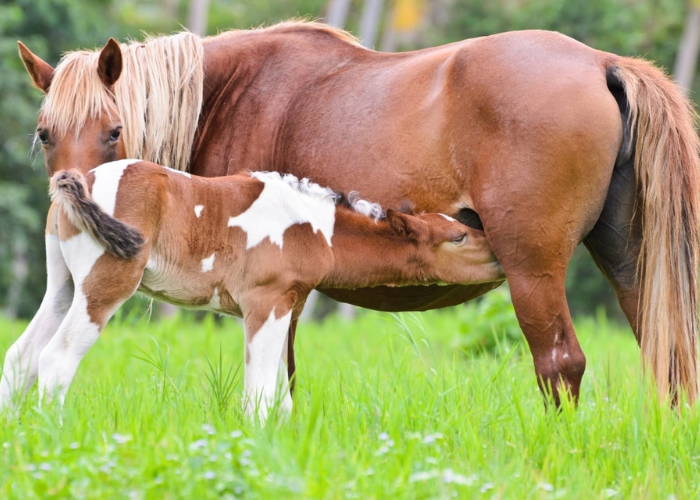
Foals born to aged mares may be smaller or take longer to stand and nurse. With attentive postnatal care and proper nutrition, most catch up in growth.
Regular veterinary monitoring during pregnancy helps identify and address complications early.
Another risk is placental insufficiency, which reduces the transfer of nutrients from the mare to the foal. Maintaining the mare’s fitness, mineral balance, and uterine health helps prevent this. Many senior mares produce robust foals, comparable to younger mares.
When to Retire a Mare from Breeding
Besides age, retirement from breeding depends on the horse’s general health. Most mares retire between 20 and 24 years of age. Yet, some remain fertile into their mid-twenties with excellent care.
Warning signs include repeated failed conceptions, chronic uterine infections, and prolonged postpartum recovery.
Retirement does not end a mare’s usefulness. Many mares adapt well to light riding, groundwork, or mentorship. Having a purpose supports their well-being after breeding.
Common Ways to Improve Fertility in Older Mares
As mares age, fertility management becomes more hands-on. Techniques that prolong breeding years include:
Oocyte Transfer
If an older mare produces viable eggs but is unable to carry a pregnancy, oocyte transfer is an option.
The egg is externally fertilized and implanted into a younger recipient. This preserves the desired genes without physical strain on the donor mare.
Teasing and Heat Detection
Teasing involves presenting a stallion to identify estrus in mares with irregular cycles. Accurate heat detection ensures insemination occurs at the most fertile window.
This improves the likelihood of conception.
Caslick’s Operation
Senior mares often have poor conformation, with the genitalia unable to form a tight seal. This permits bacteria or air to enter the reproductive tract.
Caslick’s operation partially closes the vulva, preventing infection and maintaining uterine health.
Ovulation-Inducing Agents and Hormone Application
Veterinarians administer hCG or deslorelin to trigger ovulation. Progesterone therapy may support uterine function and stabilize pregnancy.
Embryo Transfer
Embryo transfer involves placing a fertilized embryo in a surrogate mother who is younger than the intended mother. This promotes healthy foal development while preserving the older mare’s bloodline.
Real-Life Examples of Older Mare Breeding
Breeders around the world have reported successful breeding results with senior mares.
Successful Breeding Stories: Older Mares That Conceived
Breeders have seen encouraging results with older mares when supported by veterinary precision.
In the UK, a 20-year-old Arabian mare conceived a foal through artificial insemination. The mare had undergone hormone therapy and uterine lavage to clear minor inflammation.
Despite her age, she carried the pregnancy to term, with no post-foaling complications. Providing a balanced diet and consistent monitoring were key factors in her success.
In Texas, an 18-year-old Quarter Horse with fertility issues remained genetically valuable. Her owner, working with a reproduction specialist, opted for embryo transfer.
The embryo was implanted into a 9-year-old surrogate mare, resulting in the birth of a healthy colt.
This approach preserved the mare’s genetic line without the strain of pregnancy. These examples show that, with expert care, age does not rule out a mare’s breeding ability.
Challenges and Failures: Lessons from Unsuccessful Breeding Attempts
Not every attempt ends well. In Germany, a 22-year-old Warmblood miscarried in the second trimester. after multiple inseminations
Veterinary examination revealed extensive uterine fibrosis. This common age-related condition disrupts blood flow to the developing embryo.
Another breeder attempted to breed a 19-year-old Thoroughbred who showed promising scans. However, she experienced embryonic loss due to poor uterine clearance.
These cases highlight the balance between opportunity and risk. Even with advanced reproductive technologies, nature often has the final word.
Understanding each mare’s health history and performing thorough diagnostics is crucial.
Read also: Can Horses Have Twins?
FAQs
Is it safe to breed a 20-year-old mare?
Yes, it’s safe to breed a 20-year-old mare if she is healthy and passes a full reproductive exam. Many 20-year-old mares can still get pregnant with careful management. However, it may take longer, often requiring multiple insemination attempts. Veterinary monitoring, hormone support, and good nutrition are important. Still, the risks of uterine scarring and lower embryo quality are higher at this age.
How late is too late to breed a mare?
Most veterinarians consider 24 to 25 years the practical limit for natural breeding. By then, the uterus often shows fibrosis, and egg quality has declined. While natural conception becomes rare, embryo or oocyte transfer can extend breeding potential. This allows the mare’s genetics to continue without the physical strain of pregnancy.
Can a 25-year-old mare have a foal?
It’s uncommon but possible. A 25-year-old mare may conceive and deliver with extra care and veterinary oversight. Success depends on uterine condition, body weight, and previous reproductive history. Most mares at this age are better retired from breeding. Still, they remain valuable as companions, nurse mares, or for teaching younger horses.
What is the oldest age to put a mare in foal?
Some mares have given birth at 26 or even 27 years old, but these cases are rare and not something to aim for. After 20, it becomes much harder for a mare to get pregnant, and pregnancy can put her health at risk. Most breeders prioritize the mare’s safety and don’t aim to break age records.
Knowing When a Mare Is Too Old to Breed: Conclusion
Knowing when to retire a mare from breeding comes down to more than just age. It’s about her overall health, fertility, and reproductive history.
While mares can conceive past their prime fertility age, veterinary guidance is essential. Regular reproductive exams help breeders make informed decisions at the right time.
Prioritizing the mare’s wellbeing ensures her safety and that of the foal. You’ll also get the best possible outcome for the breeding program as a whole.