



Proper hydration is vital for a horse’s well-being. Equines lose electrolytes through sweat and urine during heat or exertion. These ions play a crucial role in supporting fluid balance, nerve function, and muscle contraction.
Replacing lost electrolytes prevents dehydration, cramps, and fatigue. Horses low on electrolytes perform poorly and feel weak.
This guide will help you understand electrolytes and their importance for your horse. You’ll also get useful advice on picking the right electrolyte supplement. Let’s get started.
What are Electrolytes for Horses? Key Takeaway
Electrolytes or body salts are minerals that dissolve in your horse’s body fluids. Important ones include sodium, potassium, magnesium, and calcium. They help control temperature, nerve and muscle function, and fluid levels. If these minerals get out of balance, your horse’s health and performance can suffer.
Why Electrolytes are Important for Your Horse
Electrolytes are essential for the following functions:
Maintaining fluid balance
Electrolytes regulate water balance in the body, maintain blood volume, and prevent dehydration. They also influence osmotic pressure, promoting cell health.
Muscle function
They generate electrical gradients that enable muscles to contract and relax. This enhances movement and guarantees optimal performance.
Nerve function
Electrolytes transmit nerve signals required for coordinated muscle activity. Additionally, they ensure responsive reflexes, which are crucial for optimal performance.
Acid-base balance
Electrolytes help maintain the pH balance, which is vital for proper metabolism.
Temperature regulation
They promote water intake and maintain fluid balance. This enables horses to cool down, especially in heat.
What Electrolytes Can I Give My Horse?
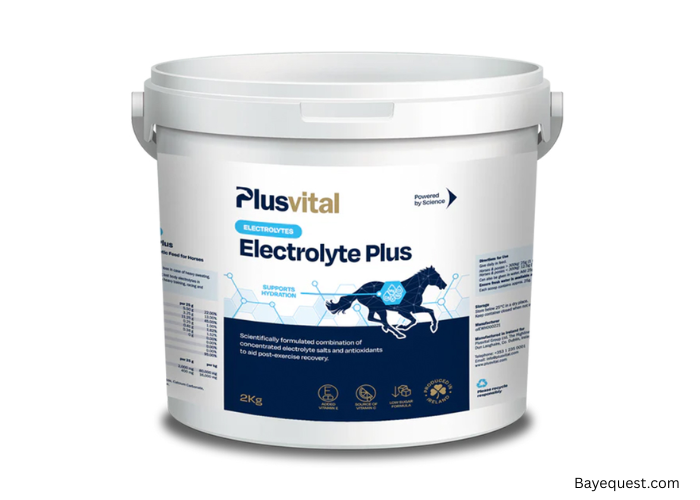
Electrolyte supplements come in various forms for convenience. They include;
Electrolyte paste
Some electrolytes are available as concentrated gels that can be administered orally. These work well for performance horses that need fast recovery after competing.
If your horse has a sensitive stomach, avoid giving these pastes on an empty belly. Ensure your horse has access to water after administering electrolytes. This helps to prevent dehydration.
Electrolyte pellets
Electrolyte pellets can be mixed with feed or offered as treats. They’re suitable for picky eaters requiring daily supplementation.
They are also more convenient and less messy than powders. Pellets can include flavorings, making them palatable for picky horses.
Electrolyte powder
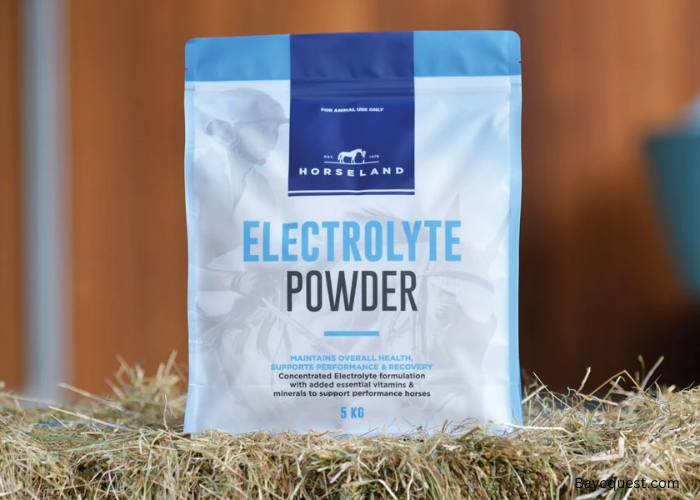
Powdered electrolytes are versatile and can encourage your horse to drink more water. You can mix the powder into water or sprinkle it on damp hay.
Powders are convenient for horses that work hard daily and are easy to bring when traveling. Some horses may not like the salty taste and could refuse it.
Use only the recommended amount. Excess supplementation can upset your horse’s mineral balance or even cause dehydration.
Introduce powders in small amounts, increasing the dosage gradually. This allows horses to adjust to the taste. Monitor for adverse reactions, such as refusal to eat or digestive upset.
Liquid electrolyte
You can add liquid electrolytes to your horse’s water to encourage them to drink more. Always ensure there’s plain, fresh water available as well.
Some horses might not like the taste and could drink less. Monitor your horse’s water intake to prevent dehydration.
Natural sources of electrolytes
Horses that do light work usually get enough minerals from their forage. Alfalfa and similar feeds provide plenty of calcium and potassium.
Salt blocks and licks offer sodium, calcium, and other trace minerals. After hard training or illness, natural sources may not be enough. So, commercial supplements are needed.
Commercial vs. homemade mixes
Store-bought supplements have minerals in the right balance. Homemade mixes can help in emergencies, but it’s easy to get the amounts wrong.
An unbalanced mix can strain the kidneys or exacerbate dehydration. Always consult a veterinarian or equine nutritionist before creating your own electrolyte mix.
Key Electrolyte Minerals for Horses
Key electrolyte minerals essential for horses include:
Sodium
Sodium is the main electrolyte in blood. It regulates water balance, induces thirst, and supports nerve signal transmission. Horses lose a significant amount of sodium in sweat, which can affect their performance if not replenished.
Chloride
Chloride is a mineral that works with potassium and sodium to keep your horse’s body in balance. It helps control the body’s pH level.
If a horse loses too much chloride from sweating or illness and doesn’t get it back, their blood pH can rise too high.
This is called hypochloremic alkalosis and can be very serious, even leading to coma or death if not treated.
Potassium
Potassium helps keep your horse’s cells working properly and supports nerves and muscles. When a horse works hard, it loses potassium, which can result in muscle weakness and fatigue.
Most horses get enough potassium from their forage, but those in heavy training might need extra.
Calcium is important for strong bones and teeth. It also helps keep your horse’s heart beating regularly, muscles working, and blood clotting properly.
Phosphate
Phosphate helps your horse’s body use protein and make energy. It’s also important for healthy bones.
Magnesium
Magnesium is involved in nerve transmission, energy production, and muscle contractility. It has a stabilising effect on nerves, which reduces tension in horses.
Bicarbonate
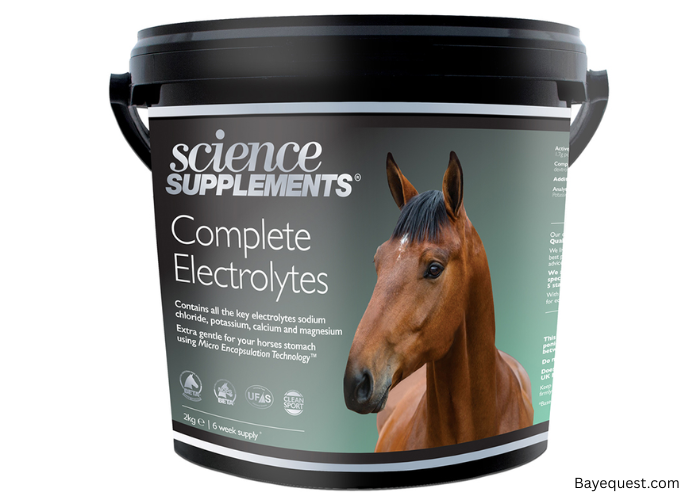
Bicarbonate helps regulate pH by removing acids that accumulate during intense exercise. If lactic acid isn’t cleared out, it can harm muscles.
How Do Horses Lose Electrolytes
Horses naturally lose electrolytes, but certain situations cause rapid depletion of these minerals. Here are some common causes:
Sweating
Sweating enables horses to regulate their body temperature. During hot weather, a significant amount of electrolytes is lost. This can cause dehydration, especially without timely supplementation.
Illness
When horses are sick with diarrhea or vomiting, they lose a lot of fluids and electrolytes. Sodium is mostly lost in manure, while potassium is lost in urine. Horses with gut issues often require additional electrolytes to aid in recovery.
Manageable illnesses such as leaky gut or free fecal water syndrome rarely cause electrolyte imbalances.
Nevertheless, consult with your veterinarian if you’re unsure if the condition is manageable.
High stress
High stress from hard work and travel can cause horses to lose large amounts of electrolytes. Changes in routine can raise stress, leading to a loss of appetite.
This causes mineral imbalances and worsens dehydration. Not replacing lost electrolytes compromises performance, safety, and recovery.
Electrolyte Use in Different Types of Horses
Each horse needs electrolytes differently. Workload, environment, and routine determine the support required.
Endurance horses
Endurance horses face extreme demands and terrain. Maintaining proper electrolyte levels is crucial for these horses.
They lose huge amounts of electrolytes, up to 15 liters per hour. Without supplements, they risk dehydration, cramps, and collapse.
Endurance horses need electrolytes before, during, and after competitions. Riders often give a dose before the event, during the race, and continue afterward.
Trail horses in moderate work
Trail horses that aren’t working hard don’t need daily electrolyte supplements. Add a small amount of electrolyte powder to their feed during long or hot rides. Don’t give large daily doses to horses that aren’t working hard.
Show and competition horses
Show, dressage, and event horses often deal with travel, heat, and stress. These conditions cause them to drink less water. Giving electrolytes before and after competitions helps keep them hydrated.
Mix flavored electrolytes into water when traveling to help horses drink more. When you arrive, giving an electrolyte paste helps your horse recover. Between classes or events, a small amount of powder keeps their minerals balanced.
Senior horses
Older horses face unique challenges, including reduced thirst response and kidney compromise. While they still lose electrolytes through sweat, they lack the ability to regulate their water intake.
For older horses, be cautious not to over-supplement. Offer loose salt daily and add a bit more during hot weather or after exercise. Mixing flavored powders into soaked beet pulp is a good way to supplement the diets of seniors.
Horses recovering from illness
Illnesses involving diarrhea, fever, or gastrointestinal upset cause significant fluid and electrolyte losses. A horse with colitis, for instance, can become depleted in a short time.
When a horse is recovering, a veterinarian may suggest special electrolyte solutions. These can be added to water or administered through a tube. For milder cases, a measured powder or paste can help your horse rehydrate.
Avoid homemade mixes, as the wrong balance can be tough on a horse that’s already unwell. Horses in recovery require close monitoring to ensure they receive fluids and minerals.
Horses in hot and humid climates
In hot and humid weather, horses lose electrolytes all the time because sweat doesn’t dry quickly. Even horses that aren’t working hard may need daily supplements. Add an electrolyte supplement to their feed and always provide access to salt.
On hot days, adding a flavored liquid electrolyte to their water can encourage them to drink more. Without enough fluids and minerals, heat stress can quickly become dangerous.
Lightly worked horses in cool climates
Consider your horse’s workload and the weather before giving extra supplements.. If your horse is a companion and only ridden lightly, a salt block and good forage are usually enough.
Giving too many supplements can waste money and put extra strain on your horse’s kidneys. Even in cool weather, heat waves might mean your horse needs electrolytes for a short period.
Signs of Electrolyte Imbalance in Horses
Recognizing signs of electrolyte imbalance is important. Watch for the following indicators:
Lethargy
If your normally energetic horse seems tired or weak, it might be low on electrolytes. Signs include shorter steps, trouble keeping up, or slow recovery after exercise. Dehydration can look similar, so contact your vet if you’re unsure.
Changes in body weight
If a horse has too much potassium or not enough sodium, it may lose its appetite and feel weak. This can cause weight loss. In endurance events, horses are checked for weight loss. Participants who lose too much weight stop competing.
Muscle cramping or spasms
When a horse’s electrolytes are out of balance, it can get muscle cramps and stiffness. This also raises the risk of tying up, a painful condition that damages muscles. Watch for signs like stiffness, sweating, muscle twitches, and dark-colored urine.
Dehydration Signs
If your horse is low on electrolytes, you may notice signs of dehydration, such as dark urine, dry gums, or reduced sweating.
To check for dehydration, gently pinch your horse’s skin and see if it snaps back quickly. Catching these signs early helps keep your horse healthy and comfortable.
Factors To Consider When Choosing Electrolyte Supplements For Horses
Every horse is different, with its own workload, environment, metabolism, and taste. Here are some important things to think about when choosing a supplement for your horse.
Ingredient analysis
Always check the label carefully. Good products list the amounts of sodium, chloride, potassium, calcium, and magnesium.
Avoid supplements that contain added sugar, artificial colors, or fillers. A little sugar can help the supplement taste better and encourage your horse to drink more.
However, it can be harmful to horses with metabolic issues. Select trusted brands that adhere to high standards and offer a guaranteed analysis.
Balanced mineral ratios
Electrolytes function optimally when they’re in the correct balance. The best supplements match what your horse loses in sweat, mostly sodium and chloride.
If a product has too much potassium or calcium, it may not replace what’s actually lost during exercise. Using an unbalanced supplement can exacerbate the issue.
Palatability
Even the best supplement won’t help if your horse won’t eat or drink it. Choose flavors your horse enjoys, like apple, molasses, or carrot.
Powders can taste salty or bitter, so start with small amounts to acclimate the horse to them. If it tastes good, your horse is more likely to take it regularly.
Electrolyte form
Think about which type of supplement is easiest for you to give and for your horse to take.
- Powder: Best for daily use, easily mixed into soaked feed.
- Pellets: Convenient, less messy, and often flavored to encourage consumption.
- Pastes: Handy for precise dosing before or after competition.
- Liquids: Effective for encouraging drinking in hot, humid weather.
Manufacturer reputation
Pick supplements from well-known companies with a strong reputation. Look for products that have been tested on performance horses and are recommended by veterinarians.
Activity level and workload
If your horse is ridden lightly in mild weather, a free-choice salt source is sufficient. You can also provide electrolyte supplements occasionally.
Horses that compete or work hard need more targeted support. Always pick a product that matches your horse’s needs.
Environmental conditions
The weather has a big impact on how much electrolytes your horse loses. Horses in hot, humid areas sweat more and often need regular supplements.
In cooler places, extra electrolytes are usually only needed during events or travel.
How to Administer Electrolytes to Horses
Administering electrolytes correctly is just as important as selecting the right supplement. Here are some practical ways to give electrolytes to your horse.
Mixing into feed
Mixing electrolytes into your horse’s feed is the most common and reliable method. Powders or pellets blend well with grain or soaked beet pulp.
Wet the feed slightly so the powder doesn’t settle to the bottom. Start with small amounts to help your horse get used to the taste.
Dissolving in water
Some electrolyte powders or liquids are designed to be mixed into your horse’s water. This can help if your horse is reluctant to drink in hot weather.
Always offer plain water as well, since some horses may not like the taste and may drink less as a result.
Read also: How Much Water Does a Horse Need in a Day?
Oral pastes and gels
Electrolyte pastes are useful for quick and accurate dosing, such as after a long ride or a trailer trip. Use a dosing syringe to administer the paste, and ensure your horse has access to water afterward.
Free-choice salt and loose minerals
Offering salt blocks or loose salt lets horses self-regulate their intake. Salt blocks contain sodium but don’t replace targeted supplements after heavy sweating. In cold weather, horses often prefer loose salt over blocks.
Related read: Types of Salt Blocks for Horses.
Timing matters
Give electrolytes when your horse is about to sweat, such as before a long trailer ride or a competition. Rehydrating right after hard exercise also helps your horse recover.
When to Supplement Horses with Electrolytes
You don’t need to give electrolytes every day to every horse. The key is to know when your horse truly needs them to stay healthy and perform well.
Hot Weather
Horses in high temperatures sweat continuously, losing large volumes of sodium and chloride. Even moderate work in summer heat warrants supplementation.
After intense exercise
Endurance horses, racehorses, and eventers require electrolytes to prevent fatigue and support recovery. A paste or dissolved powder is most effective in these cases.
Transport and travel
Horses often drink less when trailered, especially over long distances. Supplementing before and after travel helps prevent dehydration.
During illness
Gastrointestinal upsets, such as diarrhea, rapidly drain electrolyte reserves. Veterinary guidance is crucial in this case, as rehydration solutions may be necessary to address the condition.
Stressful situations
Competition, relocation, or environmental changes can suppress water intake. Strategic supplementation helps mitigate this risk.
If your horse does light work, free-choice salt and a balanced diet are sufficient. The goal is not to supplement all the time, but to give extra help when your horse needs it.
Can You Give a Horse Too Much Electrolytes?
Electrolytes are helpful, but it’s important to use them in moderation. Supplements should restore your horse’s mineral balance, not overload it. Potential Risks Include:
Diarrhea and digestive upset
Excessive salt or minerals can irritate the gut lining, leading to loose stools and reduced nutrient absorption.
Dehydration
Administering electrolytes without access to water can cause water to be pulled into the digestive tract. This worsens dehydration rather than alleviating it.
Kidney strain
The kidneys filter out extra minerals. Giving too many supplements over time makes them work harder, which can be a problem for older horses or those with kidney issues.
Refusal to eat or drink
If a supplement is too salty or the water tastes odd, your horse might refuse to eat or drink, which means missing out on both fluids and nutrients.
Prevention Tips:
- Always use the amount recommended on the label.
- Adjust the dose according to your horse’s workload, weather conditions, and sweat rate.
- Consult your veterinarian if your horse is experiencing health issues or if you’re unsure about the dosage.
FAQs
What can I give my horse to replenish its electrolytes?
You can provide commercial electrolyte supplements in powder, paste, pellet, or liquid form. Free-choice salt blocks or loose salt should also be available. For horses in light work, good forage and salt blocks are often enough. However, performance horses may require tailored supplements to replace the losses that occur during exercise.
Can I make my own horse electrolytes?
Homemade mixes can be effective in emergencies, but they aren’t ideal for long-term use. Commercial supplements are formulated to match sweat losses. DIY mixes risk incorrect ratios that can strain the kidneys or lead to dehydration. If you must make your own, consult a vet for safe proportions and always provide fresh water.
How to rehydrate a horse quickly?
For quick rehydration, offer clean water and administer an electrolyte paste or solution. Soaked hay cubes or beet pulp also provide moisture alongside electrolytes. In severe dehydration cases, a veterinarian may deliver fluids and electrolytes intravenously.
Can you give liquid IV to horses?
Human electrolyte products, such as Liquid IV, are not designed for horses and may not provide the optimal mineral balance. Instead, use equine-specific electrolytes formulated to match what horses lose in sweat. In emergencies, veterinarians can administer Lactated Ringer’s Solution (LRS) for safe and rapid rehydration.
Conclusion
Electrolytes are important for your horse’s health, comfort, and performance. Whether your horse is a trail companion or a top competitor, balanced hydration and minerals help them perform at their best.
Select the right supplement, use it correctly, and monitor your horse for signs that it requires additional support.
If you’re ever unsure, ask your vet for advice. With good care, your horse can stay healthy and happy all year.