


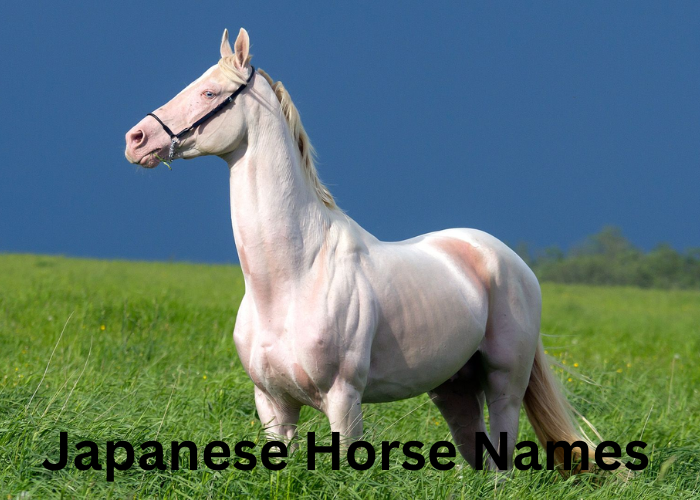
A horse’s name should be as memorable as the horse itself, and Japanese names offer the perfect blend of beauty, strength, and meaning.
From graceful cherry blossoms and legendary warriors to powerful gods and breathtaking landscapes, there’s a name for every personality and breed.
This guide brings together some of the best Japanese horse names, complete with their meanings, to help you find one that truly stands out.
Keep reading—you might discover the perfect name waiting for your equine companion.
Japanese Horse Names: Key Takeaway
- Sakura (桜) – Cherry blossom
- Hayate (疾風) – Swift wind
- Raiden (雷電) – Thunder and lightning
- Yuki (雪) – Snow
- Haru (春) – Spring
- Fuji (富士) – Mount Fuji
- Ryu (龍) – Dragon
- Yamato (大和) – Great harmony
- Kaede (楓) – Maple tree
- Tsuki (月) – Moon
- Sora (空) – Open sky
- Kaze (風) – Wind
- Amaterasu (天照) – Sun goddess
- Ryujin (龍神) – Dragon god
- Miyabi (雅) – Elegance
- Takeru (武尊) – Brave warrior
- Akatsuki (暁) – Dawn
- Hinata (陽向) – Sunny place
- Yume (夢) – Dream
- Kohaku (琥珀) – Amber
How to Choose the Best Japanese Horse Names
Choosing a Japanese horse name is about more than just finding a word that sounds beautiful. Many Japanese names carry deep meanings tied to nature, virtues, seasons, and cultural traditions.
Picking a name that reflects your horse’s appearance or personality makes it feel more personal and memorable. Here are a few tips to help you narrow down your choices.
Consider your horse’s personality
Think about how your horse behaves every day. A calm, gentle horse might suit a name like Yasu (“peaceful”), while an energetic, fearless horse could wear Raiden (“thunder and lightning”) or Hayate (“swift wind”) perfectly.
Matching the name to your horse’s temperament creates a stronger connection.
Match the name to their appearance
Your horse’s coat color, markings, or build can inspire the perfect name.
For example, a white horse could be called Yuki (“snow”), a black horse Kuro (“black”), and a chestnut horse Akane (“deep red”).
Looking at your horse’s physical traits often makes choosing much easier.
Choose a meaning that matters
One of the biggest reasons people love Japanese names is their symbolism. Some names represent strength, while others symbolize beauty, hope, loyalty, or wisdom.
Instead of choosing a name simply because it sounds nice, look for one whose meaning reflects what your horse means to you.
Keep the name easy to say
You’ll use your horse’s name every day, whether you’re calling them from the pasture or introducing them at events. Choose a name that’s easy to pronounce and remember.
Short names with two or three syllables are often the most practical while still sounding elegant.
Take inspiration from Japanese culture
Japan offers endless inspiration for horse names. Cherry blossoms, mountains, rivers, mythical creatures, famous warriors, and traditional virtues all provide meaningful ideas.
Drawing inspiration from Japanese culture can give your horse a distinctive name with a story behind it.
Think about your horse’s future
A cute name may suit a young foal, but consider whether it will still feel appropriate as your horse matures.
Choose a timeless name that will suit your horse throughout every stage of its life.
Pick a name you enjoy saying
Ultimately, the best Japanese horse name is one you genuinely love. If the name makes you smile every time you say it and feels like it belongs to your horse, you’ve probably found the right choice.
A meaningful name strengthens the bond you share and gives your horse an identity that’s as special as they are.
Sakura Spirit Japanese Horse Names
- Sakura (桜) – Cherry blossom
- Saki (咲) – Blossom; bloom
- Haru (春) – Spring
- Haruka (遥花) – Distant spring
- Hana (花) – Flower
- Hanami (花見) – Flower viewing
- Akari (明かり) – Bright light
- Emi (笑美) – Beautiful smile
- Yume (夢) – Dream
- Kaede (楓) – Maple tree
- Sumire (菫) – Violet flower
- Ayame (菖蒲) – Iris
- Hotaru (蛍) – Firefly
- Kasumi (霞) – Mist
- Hinata (陽向) – Sunny place
- Aoi (葵) – Hollyhock
- Nozomi (希望) – Hope
- Miyabi (雅) – Elegance
- Sayuri (小百合) – Small lily
- Ume (梅) – Plum blossom
Fuji Guardian Japanese Horse Names
Inspired by Mount Fuji (富士山), Japan’s most iconic peak, these names symbolize strength, endurance, protection, wisdom, and resilience.
- Fuji (富士) – Wisteria; also refers to Mount Fuji
- Fujisan (富士山) – Mount Fuji
- Takao (高雄) – Noble mountain
- Takashi (隆) – Prosperous; noble
- Yamato (大和) – Great harmony
- Isamu (勇) – Courage
- Masaru (勝) – Victory
- Kenji (健二) – Strong and healthy
- Takeo (武雄) – Warrior hero
- Takeshi (武) – Warrior
- Kenta (健太) – Strong and healthy
- Daichi (大地) – Great earth
- Iwao (巌) – Rock; boulder
- Goro (五郎) – Fifth son; strong man
- Mamoru (守) – Protector
- Mamoruji (守司) – Guardian leader
- Katsuro (勝郎) – Victorious son
- Noboru (昇) – To rise; ascend
- Shin (信) – Faith; trust
- Takeru (武尊) – Brave warrior
Hokkaido Wind Japanese Horse Names
These names are inspired by the open plains, snowy landscapes, forests, and cool winds of Hokkaido (北海道). They evoke freedom, speed, endurance, and the beauty of northern Japan.
- Hayate (疾風) – Swift wind
- Kaze (風) – Wind
- Arashi (嵐) – Storm
- Yukikaze (雪風) – Snow wind
- Fubuki (吹雪) – Blizzard
- Yuki (雪) – Snow
- Sora (空) – Sky
- Sorato (空翔) – Sky soaring
- Kumo (雲) – Cloud
- Aozora (青空) – Blue sky
- Rei (零) – Ice; cold spirit
- Shimo (霜) – Frost
- Asahi (朝日) – Morning sun
- Hibiki (響) – Echo; resonance
- Nagare (流れ) – Flowing current
- Minato (港) – Harbor
- Hokuto (北斗) – Northern Star (Big Dipper)
- Seiran (青嵐) – Blue mountain wind
- Haruka (遥) – Far away; distant
- Tsubasa (翼) – Wings
Kyoto Echo Japanese Horse Names
Drawing from the timeless temples, tranquil gardens, traditional arts, and refined culture of Kyoto (京都), these names embody elegance, wisdom, harmony, and beauty.
- Miyabi (雅) – Elegance; refinement
- Kyoto (京都) – Capital city
- Reika (麗花) – Beautiful flower
- Kiyomi (清美) – Pure beauty
- Tomoe (巴) – Sacred swirling symbol
- Shizuka (静香) – Quiet fragrance
- Kaori (香織) – Fragrance
- Chiyo (千代) – A thousand generations
- Michiko (美智子) – Beautiful wisdom
- Akemi (明美) – Bright beauty
- Sachiko (幸子) – Child of happiness
- Yoshiko (佳子) – Good, fortunate child
- Naoki (直樹) – Honest tree
- Makoto (誠) – Sincerity
- Hikaru (光) – Radiance
- Tamaki (環) – Jewel; ring
- Misaki (美咲) – Beautiful blossom
- Harumi (春美) – Spring beauty
- Kiyoshi (清) – Pure
- Yasuko (靖子) – Peaceful child
Nara Legend Japanese Horse Names
Nara (奈良), Japan’s first permanent capital, is rich in ancient history, sacred temples, and enduring traditions. These names capture the wisdom, honor, and legendary spirit associated with this historic city
- Nara (奈良) – Ancient capital of Japan
- Akihiko (昭彦) – Bright prince
- Tomohiro (智宏) – Great wisdom
- Yoshinobu (義信) – Righteous faith
- Hikaru (光) – Radiance
- Masato (正人) – Righteous person
- Kenshin (謙信) – Humble truth
- Shinobu (忍) – Endurance; perseverance
- Ryota (涼太) – Great refreshment
- Takumi (匠) – Master craftsman
- Naoki (直樹) – Honest tree
- Satoshi (聡) – Wise; intelligent
- Kazuki (和希) – Harmonious hope
- Haruto (陽翔) – Sun soaring
- Seiji (誠司) – Honest ruler
- Yoshito (義人) – Righteous person
- Kohaku (琥珀) – Amber
- Keisuke (慶介) – Joyful helper
- Hachiman (八幡) – God of warriors
- Ryujin (龍神) – Dragon god
Okinawa Mountain Japanese Horse Names
Okinawa (沖縄) combines rugged mountains, tropical forests, warm winds, and sparkling seas. These names reflect the islands’ strength, freedom, color, and natural beauty.
- Okinawa (沖縄) – Open sea and rope
- Ryukyu (琉球) – Ancient island kingdom
- Yama (山) – Mountain
- Takane (高嶺) – High mountain peak
- Mine (峰) – Summit
- Iwa (岩) – Rock
- Mori (森) – Forest
- Hayashi (林) – Woodland
- Shima (島) – Island
- Umi (海) – Sea
- Nagisa (渚) – Seashore
- Minami (南) – South
- Nami (波) – Wave
- Shio (潮) – Ocean tide
- Kaze (風) – Wind
- Hikari (光) – Light
- Taiyo (太陽) – Sun
- Aoi (碧) – Deep blue
- Akabana (赤花) – Red flower
- Chura (美ら) – Beautiful in Okinawan speech
Japanese Horse Names for Mares
Whether your mare is graceful, spirited, or gentle, these beautiful Japanese names capture qualities like elegance, kindness, strength, and natural beauty.
- Aiko (愛子) – Child of love
- Akane (茜) – Deep red
- Akari (明かり) – Bright light
- Ami (亜美) – Beautiful friend
- Aoi (葵) – Hollyhock
- Ayaka (彩花) – Colorful flower
- Ayame (菖蒲) – Iris
- Chiharu (千春) – A thousand springs
- Chika (千佳) – A thousand blessings
- Emi (笑美) – Beautiful smile
- Etsuko (悦子) – Joyful child
- Hana (花) – Flower
- Haruka (遥花) – Distant spring
- Hinata (陽向) – Sunny place
- Hotaru (蛍) – Firefly
- Kaede (楓) – Maple tree
- Kaori (香織) – Fragrance
- Kasumi (霞) – Mist
- Kiyomi (清美) – Pure beauty
- Miyabi (雅) – Elegance
- Misaki (美咲) – Beautiful blossom
- Nanami (七海) – Seven seas
- Nozomi (希望) – Hope
- Reika (麗花) – Beautiful flower
- Sakura (桜) – Cherry blossom
- Sayuri (小百合) – Small lily
- Shizuka (静香) – Quiet fragrance
- Sumire (菫) – Violet flower
- Yume (夢) – Dream
- Yuzuki (結月) – Gentle moon
Japanese Horse Names for Stallions
These Japanese stallion names represent strength, courage, honor, wisdom, and determination. They are excellent choices for bold, athletic, or noble horses.
- Akio (昭夫) – Bright man
- Daichi (大地) – Great earth
- Haruto (陽翔) – Soaring sun
- Hayate (疾風) – Swift wind
- Hikaru (光) – Radiance
- Hiroshi (宏) – Generous
- Isamu (勇) – Courage
- Kaito (海斗) – Ocean voyager
- Katsuro (勝郎) – Victorious son
- Kazuki (和希) – Harmonious hope
- Kenji (健二) – Strong and healthy
- Kenshin (謙信) – Humble truth
- Makoto (誠) – Sincerity
- Mamoru (守) – Protector
- Masaru (勝) – Victory
- Naoki (直樹) – Honest tree
- Noboru (昇) – To rise
- Raiden (雷電) – Thunder and lightning
- Ren (蓮) – Lotus
- Riku (陸) – Land
- Ryota (涼太) – Great refreshment
- Satoshi (聡) – Wise; intelligent
- Shin (信) – Faith
- Takashi (隆) – Noble; prosperous
- Takeru (武尊) – Brave warrior
- Takeshi (武) – Warrior
- Takumi (匠) – Master craftsman
- Yamato (大和) – Great harmony
- Yoshito (義人) – Righteous person
- Yuto (悠斗) – Gentle greatness
Japanese Horse Names Inspired by Nature
Nature is deeply woven into Japanese culture, making it a rich source of meaningful horse names. These names draw inspiration from flowers, mountains, forests, seasons, weather, and celestial beauty.
- Aoi (葵) – Hollyhock flower, symbolizing growth and resilience
- Akane (茜) – Deep crimson, inspired by the rich red hues of sunset
- Asahi (朝日) – Morning sun, representing new beginnings and hope
- Aozora (青空) – Clear blue sky, symbolizing freedom and tranquility
- Ayame (菖蒲) – Iris flower, associated with elegance and courage
- Fuji (富士) – Mount Fuji, representing strength, endurance, and beauty
- Fubuki (吹雪) – Snowstorm, perfect for a spirited and powerful horse
- Hana (花) – Flower, symbolizing beauty, grace, and new life
- Haru (春) – Spring, representing renewal, warmth, and fresh beginnings
- Hayate (疾風) – Swift wind, ideal for a fast and energetic horse
- Hikari (光) – Light, symbolizing brilliance, guidance, and hope
- Hinata (陽向) – Sunny place, reflecting warmth and happiness
- Hotaru (蛍) – Firefly, representing gentle beauty and quiet magic
- Kaede (楓) – Maple tree, inspired by vibrant autumn colors
- Kasumi (霞) – Morning mist, symbolizing mystery and serenity
- Kaze (風) – Wind, representing freedom, movement, and adventure
- Kumo (雲) – Cloud, perfect for a calm and graceful horse
- Mori (森) – Forest, symbolizing peace, wisdom, and strength
- Nagisa (渚) – Seashore, reflecting calm waters and coastal beauty
- Nami (波) – Ocean wave, representing power and constant motion
- Sakura (桜) – Cherry blossom, symbolizing beauty and life’s fleeting moments
- Shimo (霜) – Frost, ideal for a horse with a cool, striking appearance
- Sora (空) – Open sky, representing limitless freedom and possibility
- Sumire (菫) – Violet flower, symbolizing modesty and gentle beauty
- Taiyō (太陽) – Sun, representing warmth, energy, and vitality
- Tsuki (月) – Moon, symbolizing serenity, mystery, and elegance
- Ume (梅) – Plum blossom, a symbol of perseverance and early spring
- Umi (海) – Sea, representing depth, strength, and endless adventure
- Yuki (雪) – Snow, perfect for a white horse or one with a gentle spirit
- Yuzuki (結月) – Gentle moon, symbolizing harmony, beauty, and peace
Strong Japanese Horse Names
If your horse is fearless, athletic, or commands attention wherever it goes, these strong Japanese names with capture their qualities.
- Akio (昭夫) – Bright hero, symbolizing leadership and confidence
- Daichi (大地) – Great earth, representing stability and strength
- Isamu (勇) – Courage, perfect for a brave and fearless horse
- Kenji (健二) – Strong and healthy, reflecting endurance and vitality
- Kenshin (謙信) – Humble truth, associated with honor and integrity
- Kenta (健太) – Strong and healthy, ideal for a powerful build
- Katsuro (勝郎) – Victorious son, symbolizing success and triumph
- Masaru (勝) – Victory, a fitting name for a competitive horse
- Mamoru (守) – Protector, representing loyalty and guardianship
- Naoki (直樹) – Honest tree, symbolizing resilience and steadfastness
- Noboru (昇) – To rise, representing ambition and achievement
- Raiden (雷電) – Thunder and lightning, perfect for a fast, energetic horse
- Ryu (龍) – Dragon, a symbol of power, wisdom, and good fortune
- Ryujin (龍神) – Dragon god, representing strength and protection
- Shin (信) – Faith and trust, reflecting unwavering character
- Shiro (士郎) – Noble warrior, symbolizing honor and bravery
- Satoshi (聡) – Wise and intelligent, ideal for a dependable horse
- Takashi (隆) – Noble and prosperous, representing greatness
- Takeo (武雄) – Warrior hero, perfect for a bold stallion
- Takeru (武尊) – Brave warrior, symbolizing fearlessness in battle
- Takeshi (武) – Warrior, a classic name for a strong horse
- Takumi (匠) – Master craftsman, representing skill and excellence
- Yamato (大和) – Great harmony, a historic name associated with strength
- Yoshiro (義郎) – Righteous son, symbolizing honor and justice
- Kazuki (和希) – Harmonious hope, balancing strength with wisdom
- Haruto (陽翔) – Soaring sun, representing confidence and ambition
- Hayate (疾風) – Swift wind, ideal for a fast and agile horse
- Goro (五郎) – Strong fifth son, traditionally associated with resilience
- Iwao (巌) – Solid rock, symbolizing endurance and unwavering strength
- Kurogane (黒鉄) – Black steel, representing toughness and resilience
Elegant Japanese Horse Names
These elegant Japanese horse names capture grace, refinement, beauty, and sophistication. They are perfect for horses with smooth movements, regal appearances, or calm and gentle personalities.
- Akemi (明美) – Bright beauty, symbolizing elegance and charm
- Aoi (葵) – Hollyhock flower, representing grace and nobility
- Ayaka (彩花) – Colorful flower, reflecting beauty and vibrance
- Chiyo (千代) – A thousand generations, symbolizing longevity and timelessness
- Emi (笑美) – Beautiful smile, perfect for a friendly and gentle horse
- Hana (花) – Flower, representing natural beauty and grace
- Harumi (春美) – Spring beauty, inspired by the freshness of the season
- Hinata (陽向) – Sunny place, symbolizing warmth and serenity
- Hotaru (蛍) – Firefly, reflecting quiet beauty and gentle light
- Kaori (香織) – Fragrance, representing sweetness and refinement
- Kasumi (霞) – Morning mist, symbolizing mystery and elegance
- Kiyomi (清美) – Pure beauty, ideal for a graceful horse
- Megumi (恵) – Blessing, symbolizing kindness and good fortune
- Misaki (美咲) – Beautiful blossom, reflecting elegance in bloom
- Miyabi (雅) – Refinement and sophistication, a classic symbol of elegance
- Nanami (七海) – Seven seas, representing beauty and endless horizons
- Nozomi (希望) – Hope, reflecting optimism and gentle spirit
- Reika (麗花) – Beautiful flower, symbolizing refined charm
- Sakura (桜) – Cherry blossom, representing delicate beauty and renewal
- Sayuri (小百合) – Small lily, a graceful and timeless floral name
- Shizuka (静香) – Quiet fragrance, symbolizing calmness and poise
- Sumire (菫) – Violet flower, representing modesty and elegance
- Tomoe (巴) – Sacred swirling symbol, associated with beauty and tradition
- Ume (梅) – Plum blossom, symbolizing resilience and graceful beauty
- Yui (結衣) – Gentle bond, representing harmony and affection
- Yume (夢) – Dream, perfect for a horse with a magical presence
- Yuzuki (結月) – Gentle moon, symbolizing serenity and elegance
- Akari (明かり) – Bright light, reflecting warmth and radiance
- Michiko (美智子) – Beautiful wisdom, representing intelligence and grace
- Tamaki (環) – Precious jewel, symbolizing completeness and elegance
Japanese Racehorse Names
Speed, endurance, and determination are the hallmarks of a great racehorse. These Japanese names evoke swift winds, soaring skies, legendary strength, and the competitive spirit that makes champions.
- Hayate (疾風) – Swift wind, perfect for a lightning-fast horse
- Raiden (雷電) – Thunder and lightning, symbolizing explosive speed
- Tsubasa (翼) – Wings, representing freedom and effortless movement
- Kaze (風) – Wind, ideal for a horse that runs with ease
- Haruto (陽翔) – Soaring sun, reflecting ambition and speed
- Kaito (海翔) – Ocean flyer, symbolizing boundless determination
- Shiden (紫電) – Violet lightning, representing incredible quickness
- Hikaru (光) – Radiance, perfect for a standout performer
- Noboru (昇) – To rise, symbolizing progress and victory
- Masaru (勝) – Victory, fitting for a winning racehorse
- Katsuro (勝郎) – Victorious son, representing triumph and success
- Daichi (大地) – Great earth, symbolizing power and endurance
- Takumi (匠) – Master craftsman, reflecting precision and skill
- Ryota (涼太) – Great refreshment, ideal for an energetic runner
- Ren (蓮) – Lotus, symbolizing resilience and purity under pressure
- Yamato (大和) – Great harmony, associated with strength and nobility
- Akatsuki (暁) – Dawn, representing a bright new beginning
- Asahi (朝日) – Morning sun, symbolizing energy and optimism
- Sora (空) – Open sky, reflecting limitless potential
- Hokuto (北斗) – Northern Star, representing guidance and excellence
- Ryu (龍) – Dragon, symbolizing power, courage, and success
- Ryujin (龍神) – Dragon god, representing legendary strength
- Takeru (武尊) – Brave warrior, perfect for a fearless competitor
- Isamu (勇) – Courage, reflecting determination and bravery
- Kenshin (謙信) – Humble truth, inspired by honor and discipline
- Seiran (青嵐) – Blue mountain wind, symbolizing speed and freedom
- Hoshi (星) – Star, ideal for a horse destined to shine
- Taiyō (太陽) – Sun, representing vitality and unwavering energy
- Kurogane (黒鉄) – Black steel, symbolizing toughness and resilience
- Shōri (勝利) – Victory, a fitting name for a champion racehorse
Mythological Japanese Horse Names
Japanese mythology is filled with powerful gods, legendary creatures, and sacred spirits that make memorable horse names. These names symbolize courage, wisdom, protection, and supernatural strength.
- Amaterasu (天照) – Sun goddess, representing light, life, and prosperity
- Susanoo (須佐之男) – Storm god, symbolizing courage and untamed power
- Tsukuyomi (月読) – Moon god, associated with mystery and serenity
- Raijin (雷神) – God of thunder, representing strength and fierce energy
- Fūjin (風神) – God of wind, symbolizing speed and freedom
- Ryūjin (龍神) – Dragon god of the sea, representing wisdom and protection
- Inari (稲荷) – Deity of prosperity, harvest, and good fortune
- Hachiman (八幡) – God of war, symbolizing honor and bravery
- Benzaiten (弁財天) – Goddess of wisdom, music, and beauty
- Ebisu (恵比寿) – God of luck, wealth, and abundance
- Ōkuninushi (大国主) – God of nation-building and healing
- Sarutahiko (猿田彦) – Guardian deity who guides travelers and journeys
- Konohanasakuya-hime (木花咲耶姫) – Goddess of cherry blossoms and Mount Fuji
- Uzume (天宇受売命) – Goddess of joy, laughter, and celebration
- Kagutsuchi (火之迦具土神) – God of fire, representing passion and power
- Watatsumi (綿津見) – Sea god, symbolizing strength and the ocean
- Takemikazuchi (建御雷) – God of swords and thunder, known for courage
- Toyotama-hime (豊玉姫) – Sea princess, representing beauty and grace
- Yamata no Orochi (八岐大蛇) – Legendary eight-headed serpent, symbolizing immense power
- Yatagarasu (八咫烏) – Sacred three-legged crow, representing divine guidance
- Hakutaku (白澤) – Mythical beast associated with wisdom and protection
- Kirin (麒麟) – Sacred creature symbolizing peace, justice, and prosperity
- Tenma (天馬) – Heavenly horse, representing speed and freedom
- Byakko (白虎) – White tiger, guardian of the west and symbol of courage
- Genbu (玄武) – Black tortoise, representing endurance and protection
- Seiryū (青龍) – Azure dragon, symbolizing strength, success, and good fortune
- Suzaku (朱雀) – Vermilion bird, representing rebirth and vitality
- Ame-no-Uzume (天宇受売命) – Heavenly goddess of dawn and happiness
- Omoikane (思兼) – God of wisdom and thoughtful decisions
- Ame-no-Tajikarao (天手力男神) – God of great strength, famous for his heroic power
Interesting read: How to Select a Perfect Mythical Horse Name.
Unique Japanese Horse Names
If you’re looking for a name that stands out, these unique Japanese horse names offer a blend of uncommon sounds and meaningful symbolism. They are ideal for horses with distinctive personalities, striking appearances, or unforgettable presence.
- Akatsuki (暁) – Dawn, symbolizing new beginnings and hope
- Chikara (力) – Strength, perfect for a powerful and determined horse
- Enishi (縁) – Fate or destined connection, reflecting a special bond
- Fumio (文雄) – Scholarly hero, representing wisdom and courage
- Gin (銀) – Silver, ideal for a gray or shimmering-coated horse
- Hakuryū (白龍) – White dragon, symbolizing strength and good fortune
- Hisoka (密) – Secretive, perfect for a quiet and mysterious horse
- Ibuki (伊吹) – Mighty breath or mountain breeze, representing vitality
- Itsuki (樹) – Tree, symbolizing stability and resilience
- Jin (仁) – Compassion and virtue, reflecting a gentle spirit
- Kanata (彼方) – Far beyond the horizon, representing endless possibilities
- Kohaku (琥珀) – Amber, inspired by the warm golden gemstone
- Kurogane (黒鉄) – Black steel, symbolizing toughness and resilience
- Minori (実り) – Harvest, representing growth and abundance
- Nao (尚) – Honest and noble, ideal for a trustworthy companion
- Rin (凛) – Dignified and poised, reflecting quiet confidence
- Ritsu (律) – Order and discipline, perfect for a composed horse
- Seina (聖奈) – Sacred and graceful, symbolizing purity
- Shion (紫苑) – Aster flower, representing remembrance and beauty
- Sōma (蒼真) – True blue, symbolizing sincerity and calm strength
- Toki (時) – Time, reflecting endurance and life’s journey
- Touma (冬馬) – Winter horse, ideal for a calm or gray horse
- Yashiro (社) – Shrine, symbolizing protection and sacred traditions
- Yōichi (陽一) – First ray of sunshine, representing optimism
- Yoru (夜) – Night, perfect for a black or dark-coated horse
- Yūgen (幽玄) – Profound beauty and mystery, a classic Japanese aesthetic
- Zen (禅) – Meditation and inner peace, ideal for a calm horse
- Zenkō (善光) – Virtuous light, symbolizing goodness and guidance
- Rei (怜) – Wise and graceful, reflecting intelligence and elegance
- Tsubaki (椿) – Camellia flower, symbolizing beauty, love, and resilience
Japanese Horse Names Inspired by Pop Culture
Japanese pop culture has introduced the world to unforgettable characters from anime, manga, films, and video games. These names are perfect for horses with bold personalities, heroic spirits, or playful charm.
- Naruto (ナルト) – Spirited ninja from Naruto, symbolizing determination
- Sasuke (サスケ) – Skilled rival from Naruto, representing strength and ambition
- Sakura (サクラ) – Brave heroine from Naruto, known for resilience
- Kakashi (カカシ) – Wise and talented mentor from Naruto
- Hinata (ヒナタ) – Gentle yet courageous character from Naruto
- Goku (悟空) – Legendary hero from Dragon Ball, symbolizing limitless strength
- Vegeta (ベジータ) – Proud warrior prince from Dragon Ball
- Gohan (悟飯) – Intelligent and powerful fighter from Dragon Ball
- Piccolo (ピッコロ) – Calm strategist and fearless protector from Dragon Ball
- Frieza (フリーザ) – Powerful villain known for determination and ambition
- Luffy (ルフィ) – Adventurous pirate captain from One Piece
- Zoro (ゾロ) – Loyal swordsman admired for courage and discipline
- Nami (ナミ) – Clever navigator from One Piece
- Ace (エース) – Beloved warrior known for bravery and loyalty
- Sanji (サンジ) – Skilled fighter with elegance and charm
- Totoro (トトロ) – Gentle forest spirit from My Neighbor Totoro
- Chihiro (千尋) – Courageous heroine from Spirited Away
- Haku (ハク) – Mysterious river spirit from Spirited Away
- No-Face (カオナシ) – Enigmatic spirit from Spirited Away
- Kiki (キキ) – Young witch from Kiki’s Delivery Service
- Jiji (ジジ) – Loyal black cat from Kiki’s Delivery Service
- Ash (サトシ) – Pokémon trainer known as Satoshi in Japan
- Pikachu (ピカチュウ) – Iconic Pokémon symbolizing loyalty and energy
- Eevee (イーブイ) – Beloved Pokémon known for adaptability
- Mew (ミュウ) – Rare mythical Pokémon representing mystery
- Sonic (ソニック) – Lightning-fast video game hero
- Kirby (カービィ) – Cheerful Nintendo character with endless determination
- Link (リンク) – Heroic adventurer from The Legend of Zelda
- Mario (マリオ) – Nintendo’s legendary hero known for courage
- Yoshi (ヨッシー) – Friendly dinosaur from the Mario series, perfect for a dependable companion
Funny Japanese Horse Names
If your horse has a playful personality or always keeps you laughing, a funny Japanese name can be the perfect fit. These names are lighthearted, memorable, and often inspired by food, animals, or everyday Japanese words.
- Mochi (もち) – Sweet rice cake, perfect for a cute and cuddly horse
- Dango (団子) – Skewered rice dumplings, ideal for a round or lovable horse
- Sushi (寿司) – Japan’s famous dish, a fun name for any foodie-inspired horse
- Ramen (ラーメン) – Popular noodle soup, great for a horse with lots of energy
- Tempura (天ぷら) – Crispy fried seafood or vegetables, for a horse full of personality
- Tofu (豆腐) – Soft soybean curd, perfect for a calm and gentle horse
- Wasabi (わさび) – Spicy Japanese condiment, ideal for a feisty horse
- Miso (味噌) – Traditional soybean paste, a quirky and memorable choice
- Matcha (抹茶) – Green tea powder, great for a greenish-gray or calm horse
- Yuzu (柚子) – Fragrant citrus fruit, perfect for a bright and cheerful horse
- Pochi (ポチ) – A classic, playful Japanese pet name
- Maru (まる) – Means “circle,” often used as an adorable nickname
- Chibi (ちび) – Tiny or little one, perfect for a small horse or pony
- Kuma (熊) – Bear, a funny choice for a big, fluffy horse
- Kitsune (狐) – Fox, ideal for a clever or mischievous horse
- Tanuki (狸) – Raccoon dog, famous for its playful folklore
- Pengin (ペンギン) – Penguin, a humorous name for an awkward horse
- Panda (パンダ) – Panda, great for a black-and-white horse
- Neko (猫) – Cat, a funny name for an independent horse
- Usagi (兎) – Rabbit, perfect for a fast and energetic horse
- Kappa (河童) – Mischievous water spirit from Japanese folklore
- Onigiri (おにぎり) – Rice ball, a cute and unique food-inspired name
- Takoyaki (たこ焼き) – Octopus snack, perfect for a round and lovable horse
- Senbei (煎餅) – Rice cracker, a fun name with a crunchy twist
- Anko (あんこ) – Sweet red bean paste, ideal for a sweet-natured horse
- Bento (弁当) – Japanese lunch box, a quirky and memorable choice
- Shōyu (醤油) – Soy sauce, fitting for a dark-coated horse
- Purin (プリン) – Custard pudding, perfect for a sweet companion
- Konbu (昆布) – Kelp, a humorous name for a horse with a long mane
- Daifuku (大福) – Sweet rice cake filled with bean paste, ideal for a big, lovable horse
FAQs
What is the Japanese name for “horse”?
The Japanese word for horse is uma (馬). It is the most common term used in everyday conversation and writing. In Japanese culture, horses symbolize strength, loyalty, endurance, and good fortune. You’ll also find uma (馬) in many traditional names, idioms, and folklore connected to horses.
What place do horses hold in Japanese mythology?
Horses hold a sacred place in Japanese mythology as divine messengers between humans and the gods. In Shinto tradition, they were believed to carry the wishes of worshippers to the deities and were often kept at shrines. White horses, in particular, symbolized purity, protection, and good fortune, making them powerful spiritual symbols in Japanese culture.
Japanese Horse Names: Conclusion
Japanese horse names offer more than beautiful sounds. They carry rich meanings rooted in nature, history, mythology, and tradition.
Whether you’re naming a graceful mare, a powerful stallion, or a future champion, there’s a name to match every horse’s personality and spirit.
Choose one that feels meaningful to you, and it will become a lasting part of your horse’s unique identity.